Heavy-duty Protection: Gloves Designed for Shipyard and Offshore Work
Workers in shipyards and offshore operations face a unique combination of hazards: sharp and abrasive metal edges, heavy machinery, corrosive saltwater, extreme weather conditions, and constant risk of impact and punctures. In these high-risk industries, hand protection is more than just a matter of comfort—it’s a critical component to daily survival and operational integrity.
Ordinary work gloves simply don’t cut it. This article delve into the world of heavy-duty gloves designed specifically for maritime and offshore work, analyzing the key hazards, the advanced materials and technologies that address them, and how to choose the right gloves for the job.
Before selecting gloves, it’s crucial to understand the hazards you’re dealing with. The threats in these environments are multifaceted and often occur simultaneously:
Cuts and Abrasions: Handling steel plates, pipes, gratings, and wire ropes under tension presents a constant threat of severe cuts and abrasions. The U.S. Bureau of Labor Statistics (BLS) reports that over 70% of hand injuries involve workers not wearing gloves.
Puncture Risk: Sharp edges, wires that suddenly snap back under tension (a phenomenon known as “snapback”), and metal shavings can easily penetrate inadequate gloves.
Impact and Crush Injuries: Moving heavy parts, using heavy machinery, and working in confined spaces all pose a high risk of impact and crush injuries to the hands and fingers.
Corrosion and Water: Continuous exposure to saltwater accelerates corrosion of equipment and glove materials. Humid conditions also reduce grip strength and increase the risk of dropped objects.
Extreme Temperatures: From the blistering heat of welding and cutting torches to the freezing conditions of offshore platforms in northern latitudes, thermal protection is essential.
Chemical Exposure: Workers handle fuels, lubricants, solvents, and cleaning agents, which can degrade glove materials and harm the skin.
Advantages of anti-impact gloves
Gloves designed for these areas are designed to handle the hazards mentioned above. Look for the following essential features:
A. Unparalleled cut and abrasion resistance:
This is the first line of defense. Gloves must meet ANSI/ISEA 105 cut resistance ratings, typically ANSI cut grades 4 or 5 (A6-A9). These ratings are achieved through the use of advanced materials such as:
Kevlar®: A renowned para-aramid synthetic fiber that provides excellent thermal and cut protection.
Steel core and fiberglass: Often woven into the glove lining to provide the highest level of cut protection without sacrificing dexterity.
B. Superior Grip in All Conditions:
A durable nitrile palm coating specifically formulated to resist oils and provide traction in wet conditions.
A deep, coarse tread pattern channels water, mud, and dirt away from the contact surface.
“Wet Grip” or “Oil Grip” certifications are based on standards such as EN388:2016, which includes new tests for grip performance.
C. Durability and Construction:
Reinforced Palm and Fingertips: Double or triple layers of material are used in high-wear areas to significantly extend glove life.
Lockstitching: This sewing technique prevents seams from completely unraveling in the event of a thread break, making it essential for critical missions.
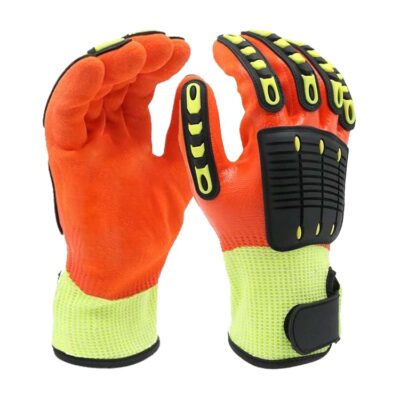
Secure Wrist Closure: A gauntlet-style cuff with hook-and-loop tape keeps debris and water out of the glove and protects the delicate wrist area.
D. Specialized Protection:
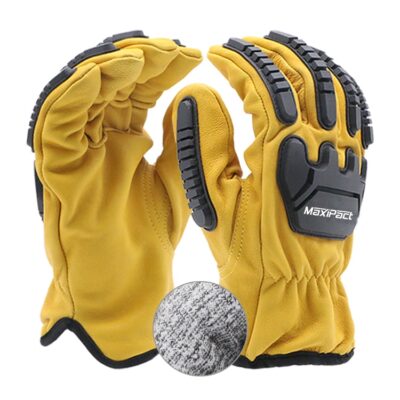
Welding Protection: For welders, gloves made of heat-resistant leather (such as suede or goat leather) with Kevlar® stitching are essential for protection against splatter and extreme heat.
Impact Protection: TPR (thermoplastic rubber) armor or foam padding is added to the knuckles and back of the hand to dissipate impact energy.
Matching gloves to the task is crucial:
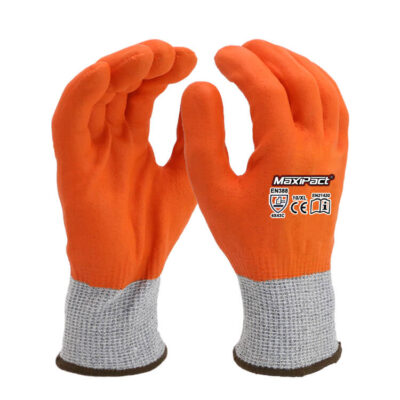
General deck work/rigging: Requires gloves with a high ANSI cut rating (4 or 5) for excellent abrasion resistance and secure grip. A synthetic leather palm with a cut-resistant lining is ideal.
Welding and metalworking: Heat resistance is key. Flame-retardant-treated heavy-duty leather gloves with extended cuffs are standard.
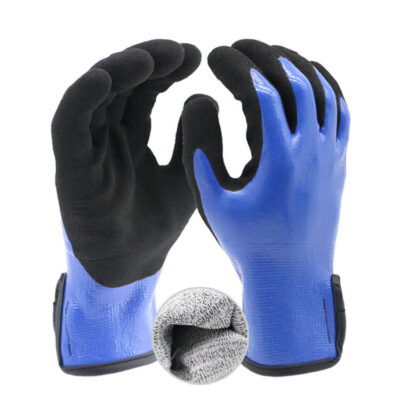
Offshore/cold-weather operations: Require waterproof, insulated gloves with a hydrophobic lining and a grippy, oil-resistant outer shell.
Material handling (non-sharp items): For handling crates and general cargo, durable gloves with high puncture resistance (ANSI puncture rating 3+) and impact protection are required.
By understanding the extreme hazards and selecting gloves with the right combination of ANSI cut rating, abrasion resistance, grip technology, and durable construction, workers can safely and efficiently perform at their best. The right heavy-duty glove is more than just personal protective equipment (PPE); it’s the most critical tool a maritime worker wears.