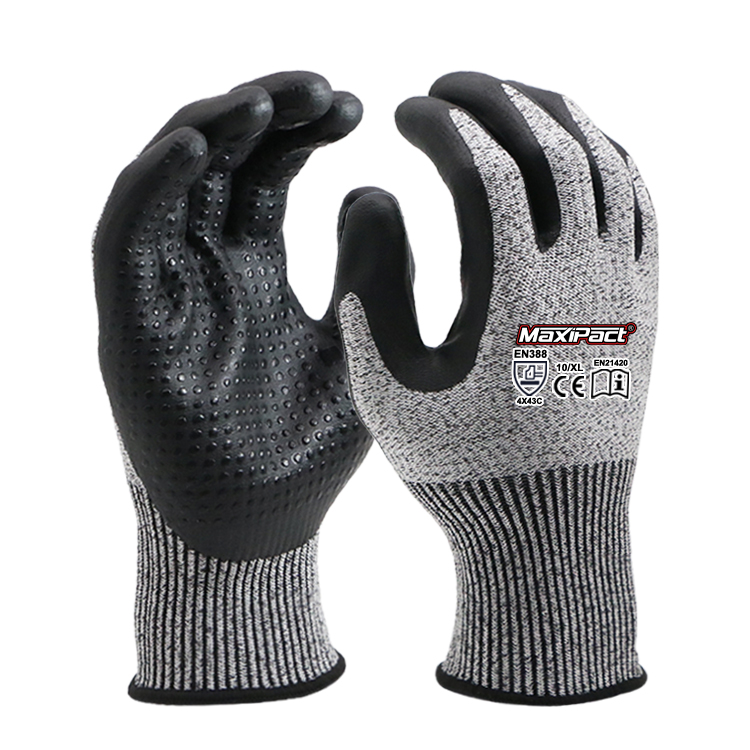
How Coated Gloves Handle Oily Surfaces
According to the Occupational Safety and Health Administration (OSHA), poor grip is one of the leading causes of workplace hand injuries in mechanical and oil-related industries.
2019 NIOSH report also highlighted that workers in automotive and oil refining sectors have up to a 35% higher risk of hand slips when using non-coated gloves compared to coated alternatives. This demonstrates why industries require gloves specifically engineered to resist oils and maintain a reliable grip.
Coated Gloves: A Modern Safety Solution
Coated gloves are designed with a fabric liner—often nylon or polyester—dipped in specialized coatings like nitrile, PVC, polyurethane (PU), or latex. These coatings create a barrier that resists oil penetration while enhancing grip. Unlike traditional gloves, coated gloves combine dexterity, oil resistance, and abrasion protection, making them ideal for oily tasks.
Market data from Grand View Research (2024) estimates the global industrial hand protection market will surpass USD 11 billion by 2030, with coated gloves representing one of the fastest-growing segments due to their effectiveness in industries such as oil & gas, food processing, and construction.
When choosing gloves for oily environments, workers should evaluate three main factors:
Grip – A glove must maintain traction even when oil is present. Grip performance often depends on surface texture and coating type.
Dexterity – Workers in automotive or maintenance jobs need fine motor skills. A glove that’s too bulky may reduce safety instead of improving it.
Durability – Oily tasks often involve exposure to sharp edges, chemicals, or high friction. Gloves must withstand abrasion and retain performance over time.
According to ANSI/ISEA 105 standards, gloves are tested for cut, abrasion, puncture, and chemical resistance. For oily tasks, MAX GLOVE 40-260 foam nitrile gloves usually ranks highest in balancing all three factors.
Foam Nitrile: Superior Grip in Wet and Oily Conditions
Among all coatings, foam nitrile gloves stand out. Their microporous surface channels oil away, allowing direct contact between glove and surface, which dramatically improves grip. A study published in the Journal of Occupational Safety Engineering (2021) found that foam nitrile gloves reduced object slippage by 45% compared to standard nitrile coatings in simulated oily environments. This makes them the preferred choice in industries like automotive assembly, oil refining, and machine maintenance, where handling small parts covered in lubricants is common.
The Role of Micro-Textured Finishes in Oil Handling
Coated gloves with micro-textured or sandy finishes add another layer of security. These finishes act like tire treads—channeling away oil to maintain surface contact. According to a European Safety Federation (ESF) white paper, gloves with micro-textured nitrile coating provided up to 60% better grip retention in oily environments than smooth-surface coatings. For workers, this reduces fatigue and prevents costly accidents linked to slipping tools.
Why Breathability Matters in Oily Work Environments
Many assume oil resistance means gloves must be thick and non-breathable. However, lack of ventilation causes sweat buildup, reducing comfort and increasing the risk of workers removing gloves during tasks. Modern coated gloves solve this with breathable liners that wick moisture away while keeping oil out. In a 2022 worker comfort survey by PPE Insights, over 70% of employees said breathable gloves increased their compliance with safety rules, especially during long shifts in hot, oily environments like refineries and food-processing plants.
Application Case Studies
Oil and Gas Industry
In upstream drilling and downstream refining, workers frequently handle tools covered in crude oil and lubricants. Foam nitrile and PVC-coated gloves are the industry standard, as they resist hydrocarbons and provide cut protection. A Shell safety bulletin (2023) reported a 28% reduction in hand-related incidents after adopting foam nitrile gloves across several refinery sites.
Food Processing in Oily Environments
Workers in food plants often deal with fish oil, cooking oils, and animal fats. PU- or nitrile-coated gloves are preferred because they combine food safety compliance (EN 1186 standards) with strong grip. According to Global Food Safety Resource, nearly 40% of hand accidents in food processing are slip-related, highlighting the importance of oil-resistant coated gloves.
Construction Sites with Grease and Lubricants
Heavy equipment maintenance exposes workers to hydraulic oils and greases. PVC-coated gloves excel here due to their resistance to both oil and chemical solvents. Many construction firms have reported improved tool-handling efficiency after switching from leather gloves to nitrile-coated alternatives.
Maintenance and Repair Jobs
From automotive repair shops to factory maintenance, oil and lubricants are constant hazards. Workers prefer foam nitrile gloves because they allow precise control when handling small parts like bolts or engine components. A 2021 survey by the International Glove Association found that 67% of mechanics ranked foam nitrile gloves as their first choice for oily tasks.
Handling oily surfaces demands more than just any glove—it requires coated gloves engineered for oil resistance, grip, and durability. Whether in oil fields, food plants, construction, or repair shops, these gloves significantly reduce slippage and accidents while keeping workers comfortable. Backed by industry standards, market research, and real-world case studies, it’s clear that coated gloves—especially foam nitrile—are the most reliable solution for modern workplaces dealing with oil exposure.