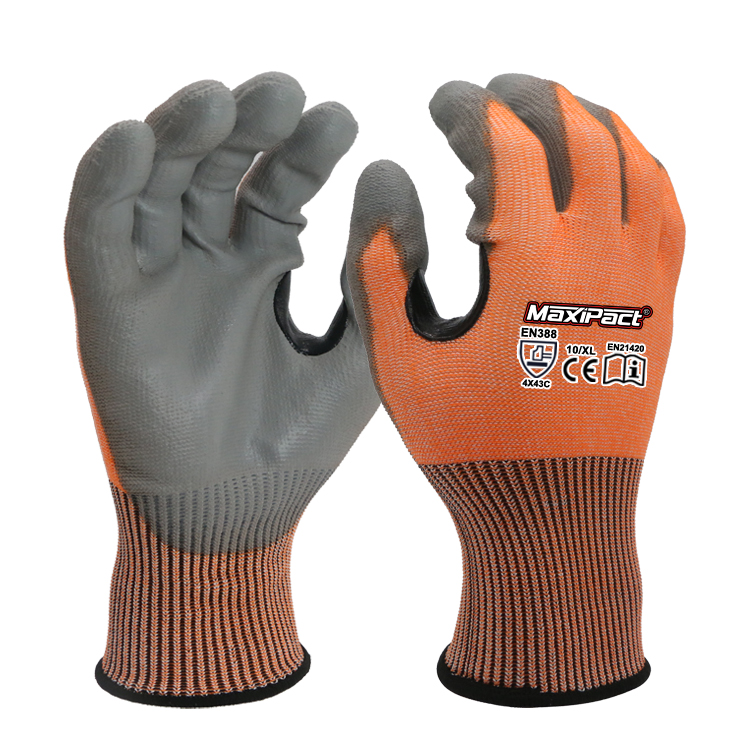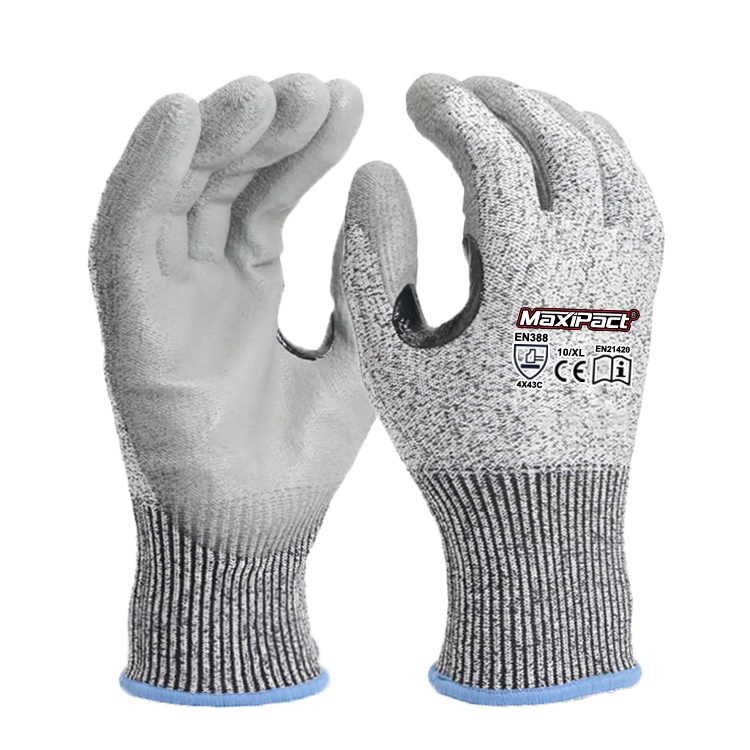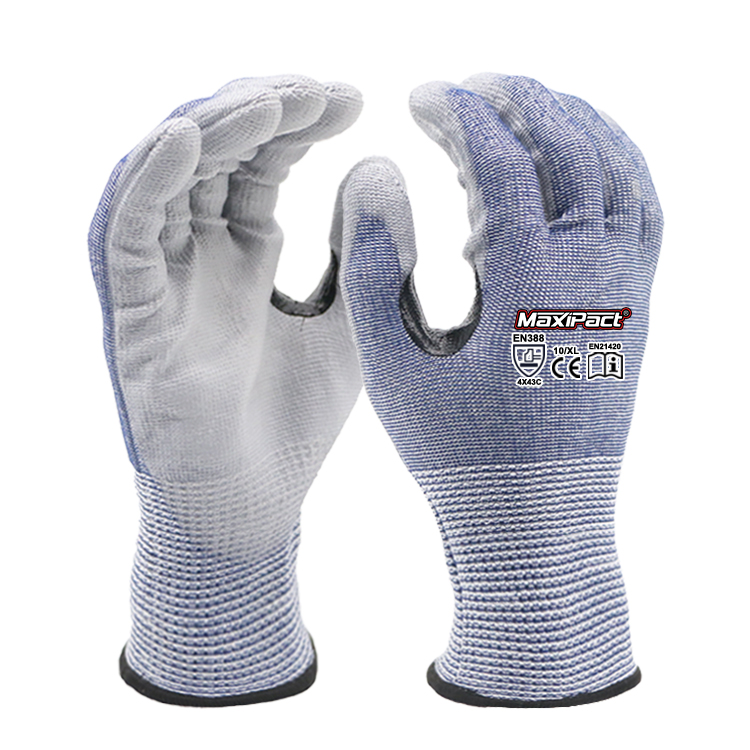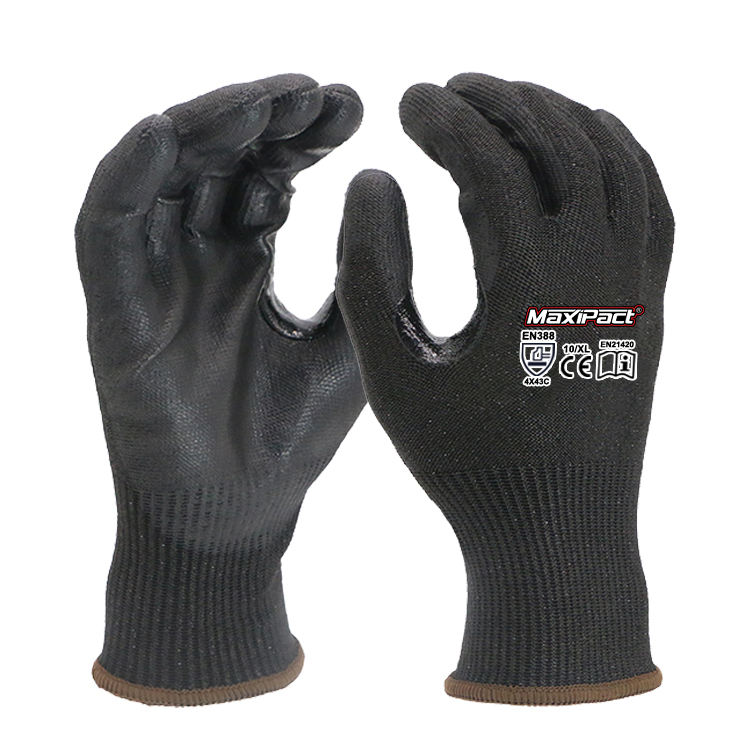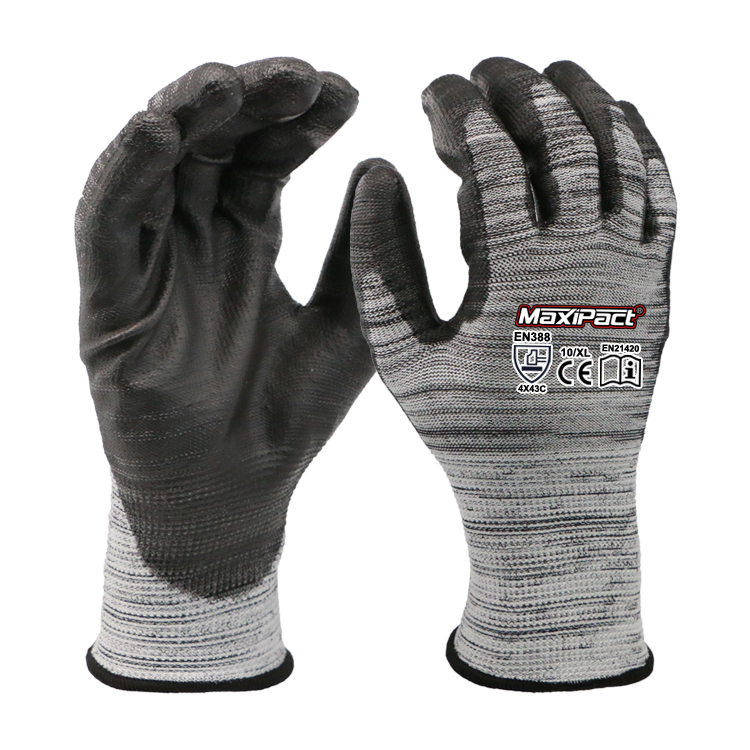
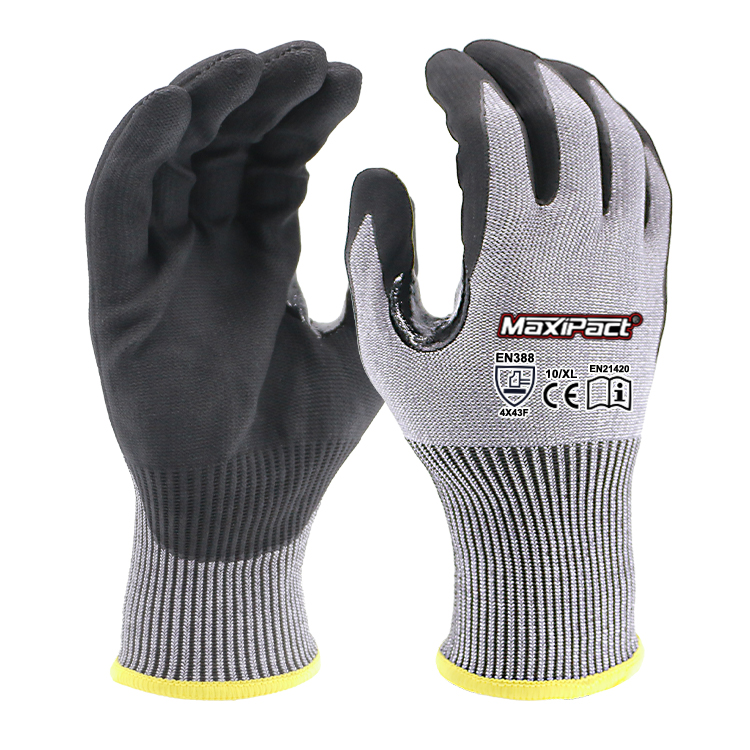
EN388 Certified Cut Level 6 Safety Gloves
40-256FT GREY

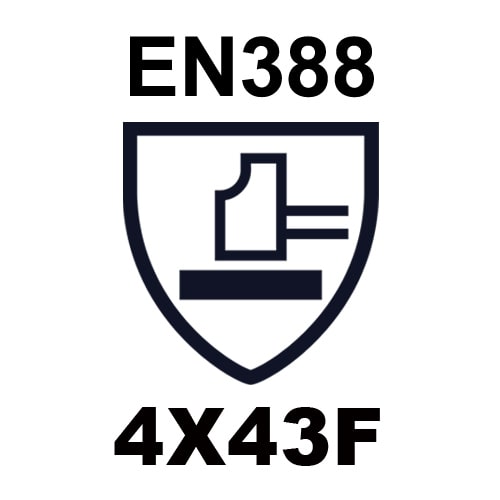
FEATURES

Grip

Anti Cut

Anti Wear
APPLICATION

Metal

Warehouse

Landscape

Construction
-
Coating: Black Foam Nitrile
-
Size: 7, 8, 9, 10, 11(S-XXL)
-
Package: 12 Pairs/Polybag
-
Different Color Available
-
Foamed palm provides excellent grip, especially in slippery or greasy conditions.
-
Nitrile is resistant to many chemicals, oils, and solvents, making these gloves suitable for tasks involving exposure to such substances.
-
Cut Level 6 grade HPPE knit shell provide excellent cut protection.
-
The elastic cuffs fit the wrist perfectly and prevent the gloves from falling off or debris from falling inside the gloves.
-
Customized package, logo, color.
Q: Are foam gloves oil- and water-resistant?
A: The foam layer itself is not waterproof. It primarily provides superior grip in wet and slippery environments. For liquid penetration prevention, choose composite foam gloves with a waterproof lining (such as a nitrile-coated underlayer).
Q: Our workshop presents risks of both cuts and punctures; is there a single pair of gloves that can provide protection against both simultaneously?
A: You can look for multi-functional protective gloves. For instance, you might choose gloves that incorporate a polyurethane puncture-resistant pad in the palm area—built upon a cut-resistant fiber base—or select gloves that specifically feature an EN388 puncture resistance rating. Please make your selection based on the specific severity levels of the primary risks involved (e.g., Cut Level A4, Puncture Level 2).
Q: Are foam gloves suitable for electronic assembly or automotive repair?
A: Absolutely. Their precise grip and oil-resistant, non-slip properties make them ideal for handling small screws, precision parts, and tool handling in oily environments.
Q: At what temperature are foam latex gloves suitable for use?
A: Primarily suitable for room temperature environments. Most foam materials are not resistant to high temperatures (typically a safe upper limit of 50-60°C) or extremely low temperatures; high temperatures will cause them to harden and crack.
⇪ DOWNLOA